What Is ABA Therapy? A Parent's Guide to Applied Behavior Analysis
If you're learning about autism for the first time, you've probably come across the term ABA therapy and have questions about what it is and how it can help.
At Aces for Autism, we know how overwhelming those first steps can feel because our founders, Bobbie and Kyle Robinson, have been there. Based in Greenville, NC, we're proud to serve families across Eastern North Carolina, including Winterville and Wilson, with the same individualized, evidence-based care no matter where your family calls home. Inspired by their own family's journey with their son, Samuel, they created Aces for Autism with a simple mission: to build a place where families feel supported from day one. This guide is written by parents, for parents, and backed by the knowledge and experience of our clinical team.

Applied Behavior Analysis (ABA) is one of the most researched and widely recognized therapies for children with autism. Using individualized, evidence-based strategies, ABA therapy helps children develop meaningful communication, social, behavioral, and daily living skills that support greater independence.
At Aces for Autism, we believe ABA therapy is about more than teaching skills. It's about helping every child gain confidence, celebrate progress, and reach milestones that matter to them and their family. Just as importantly, it's about partnering with parents, providing encouragement, and supporting the whole family throughout the journey.
In this guide, we'll explain what ABA therapy is, how it works, what to expect, and how it can help children build meaningful skills for everyday life.
What Is ABA Therapy?
Applied Behavior Analysis, commonly known as ABA therapy, is an evidence-based approach that helps children learn meaningful skills while reducing barriers that may interfere with everyday life. Rather than using a one-size-fits-all approach, ABA therapy is personalized to meet each child's unique strengths, needs, interests, and goals.
At its core, ABA is the science of understanding how people learn and how their environment influences behavior. By breaking skills into manageable steps and celebrating progress along the way, therapists help children build communication, social, play, daily living, and self-help skills that support greater independence.
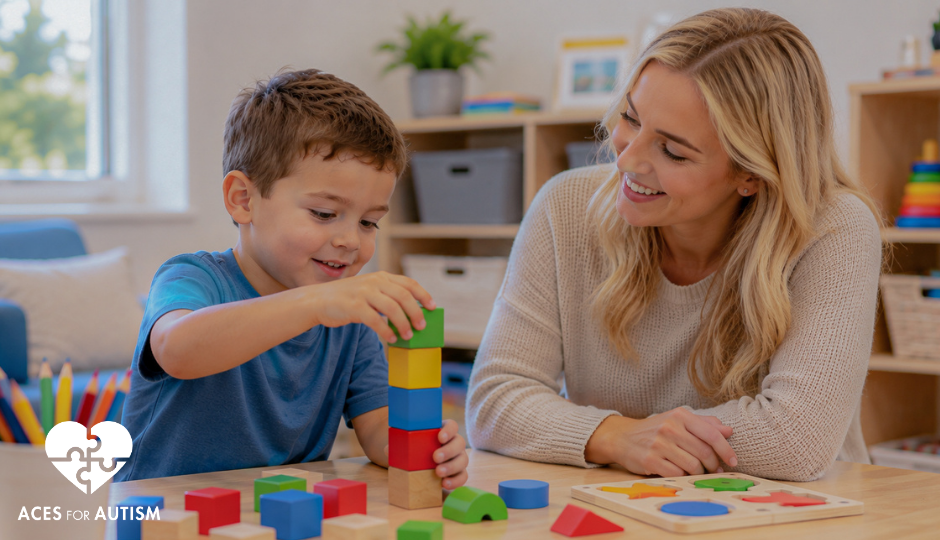
One of the foundations of ABA therapy is positive reinforcement. When a child successfully practices a new skill and receives meaningful encouragement, praise, or another motivating reward, they're more likely to use that skill again in the future. Over time, those small moments of success build confidence, encourage learning, and create meaningful, lasting behavior change.
Modern ABA therapy is highly individualized. A Board Certified Behavior Analyst (BCBA) develops a treatment plan based on each child's strengths, challenges, interests, and family goals. Therapy is then adjusted over time as children grow, develop new skills, and reach important milestones.
At Aces for Autism, we believe ABA therapy is most effective when it focuses on the whole child, not just individual behaviors. Every milestone, whether it's asking for help, making a new friend, learning to communicate a need, or gaining confidence in a new environment, represents meaningful progress. Our goal is to help children build skills that make a lasting difference at home, at school, and in their communities while supporting families every step of the way.
What Skills Does ABA Therapy Help Children Learn?
Every child is unique, which means every ABA therapy plan is unique too. Some children may be working on communication, while others are building social skills, learning daily routines, or becoming more independent. At Aces for Autism, therapy goals are individualized to meet each child's strengths, needs, and developmental milestones.
Communication Skills
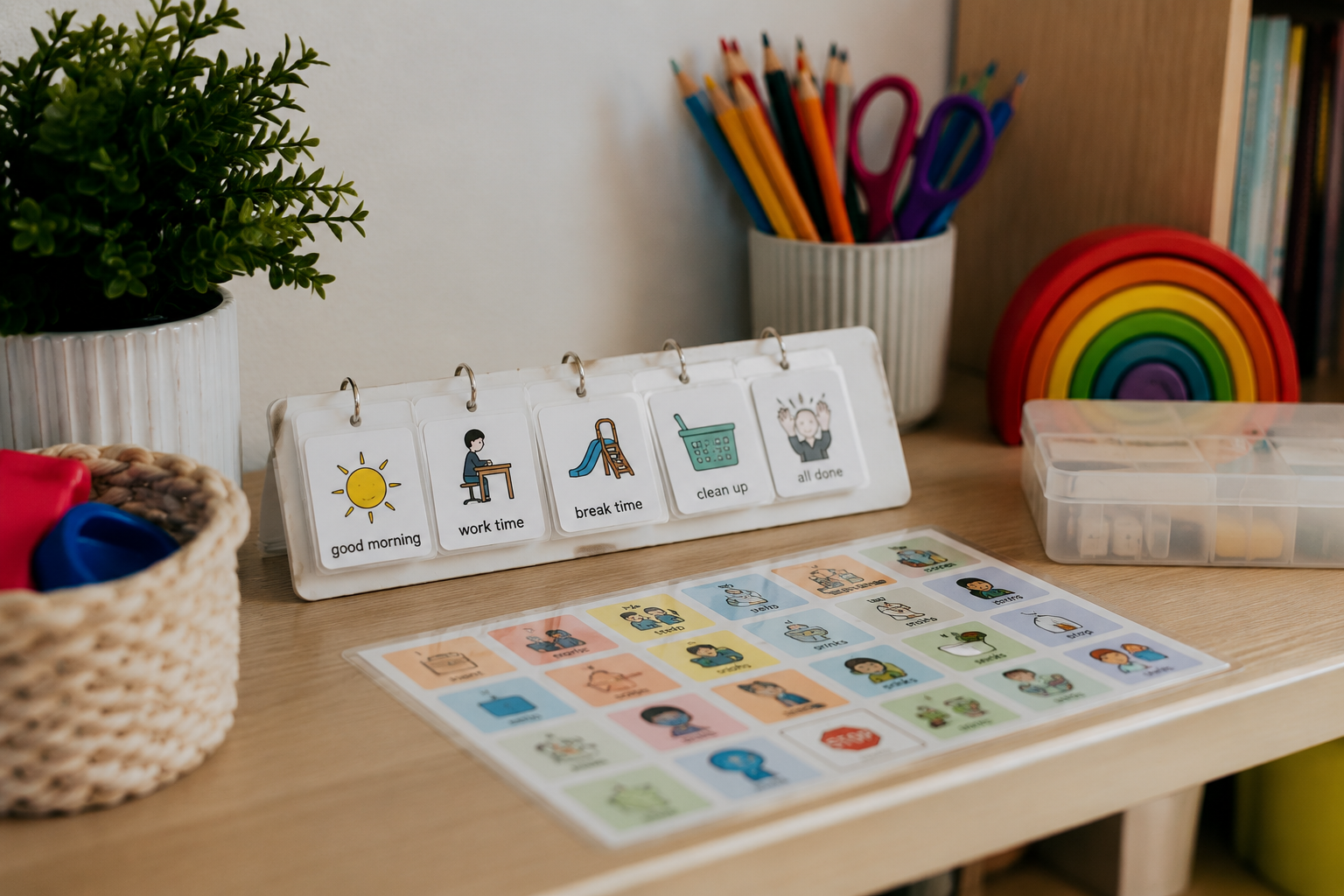
Communication is often one of the first areas families hope to improve. ABA therapy can help children learn to express their wants, needs, feelings, and ideas in ways that work best for them. Depending on the child's needs, this may include spoken language, gestures, sign language, picture communication systems, or other forms of communication.
Social Skills
Developing meaningful relationships starts with strong social skills. Through structured activities, play, and real-life interactions, children can practice skills like taking turns, sharing, making eye contact, starting conversations, understanding social cues, and building friendships. These experiences help prepare children for success at home, in school, and in their communities.
Daily Living Skills
Small, everyday tasks often lead to big gains in independence. ABA therapy can help children learn self-care skills such as dressing, brushing their teeth, washing their hands, toileting, following routines, cleaning up after themselves, and completing age-appropriate household tasks.
Emotional Regulation
Learning to recognize emotions and respond to them in healthy ways is an important part of development. Therapists help children identify feelings, practice coping strategies, manage frustration, adapt to changes in routine, and develop skills that support emotional well-being.
Play Skills
Play is one of the most important ways children learn. Through play-based ABA intervention, children practice imagination, problem-solving, cooperation, flexibility, and interacting with others in fun, engaging activities that match their interests and developmental level.
School Readiness
Many of the skills practiced during ABA therapy help children feel more confident in classroom settings. Following directions, staying focused, transitioning between activities, participating in group learning, completing tasks, and communicating with teachers and peers all contribute to greater success in school.
No matter the goal, every skill taught during ABA therapy is designed to help children become more confident, independent, and successful in their everyday lives. At Aces for Autism, we celebrate every milestone because we know that even the smallest steps can lead to life-changing progress.
What Does an ABA Therapist Do?
An ABA therapist works one-on-one with children to help them build meaningful skills through personalized, engaging activities. Every session is guided by an individualized treatment plan created by a Board Certified Behavior Analyst (BCBA) and is designed around each child's unique strengths, goals, and interests.
Rather than following a one-size-fits-all approach, ABA therapists meet children where they are. They encourage communication, teach new skills through play and everyday experiences, reinforce positive behaviors, and help children practice skills they can use at home, at school, and in their communities.
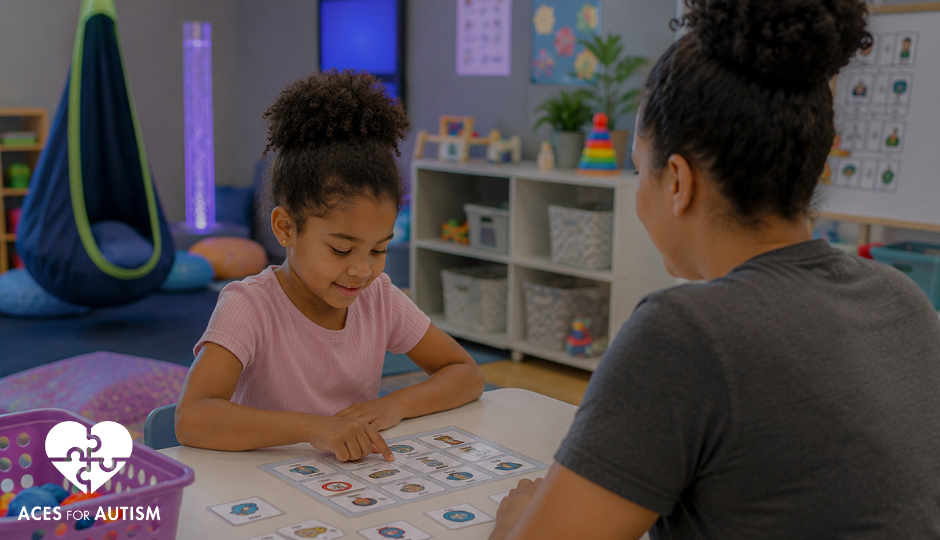
Throughout each session, ABA therapists carefully collect data to track progress and identify areas where a child may need additional support. This information allows the clinical team to make informed decisions and adjust treatment plans as children grow and reach new milestones.
ABA therapists also work closely with BCBAs, who oversee each child's treatment program, monitor progress, and provide ongoing guidance. This collaborative approach ensures therapy remains individualized, effective, and focused on helping each child achieve meaningful goals.
At Aces for Autism, our therapists do more than teach skills. They build trusting relationships, celebrate every success, and create a positive, encouraging environment where children feel safe to learn, explore, and grow.
What Does a Typical ABA Therapy Session Look Like?
No two ABA therapy sessions are exactly alike because every child's goals, interests, and needs are different. At Aces for Autism, therapy is designed to be engaging, encouraging, and individualized, helping children learn through a combination of structured activities, play, and everyday experiences.
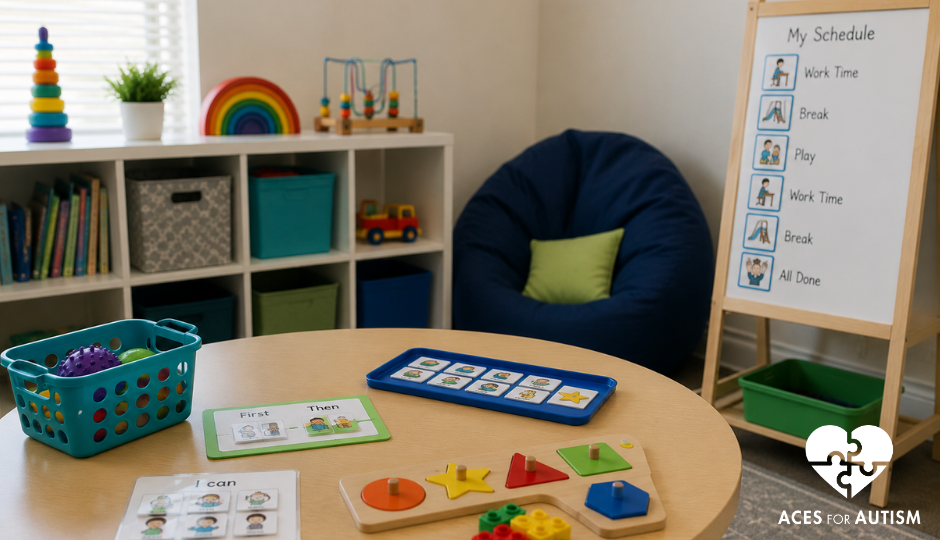
Depending on a child's treatment plan, an ABA therapy session may include:
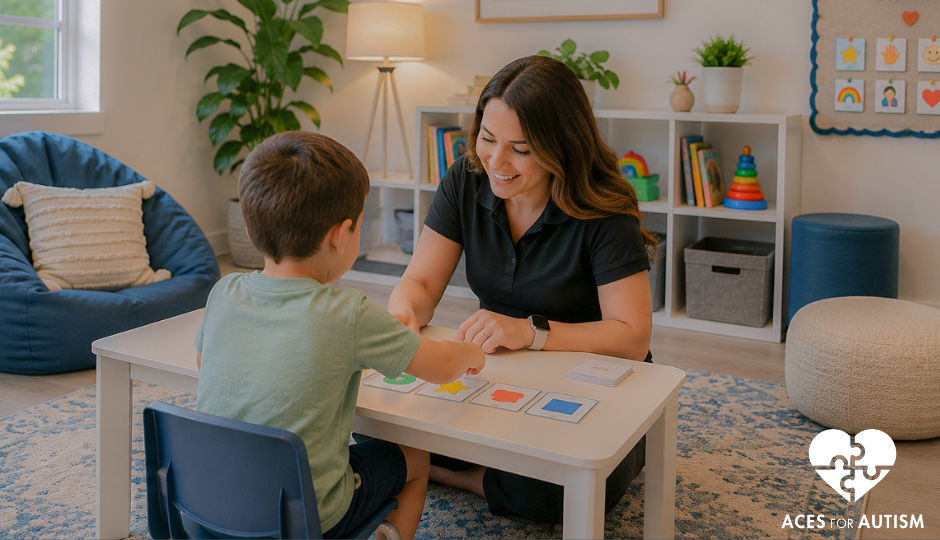
Play-based learning that teaches communication, social interaction, and problem-solving skills
Structured activities designed to introduce or practice new skills
Natural Environment Teaching (NET), where children learn during everyday routines and real-life situations
Opportunities to practice skills with peers when appropriate
Breaks and preferred activities that help children stay engaged and motivated
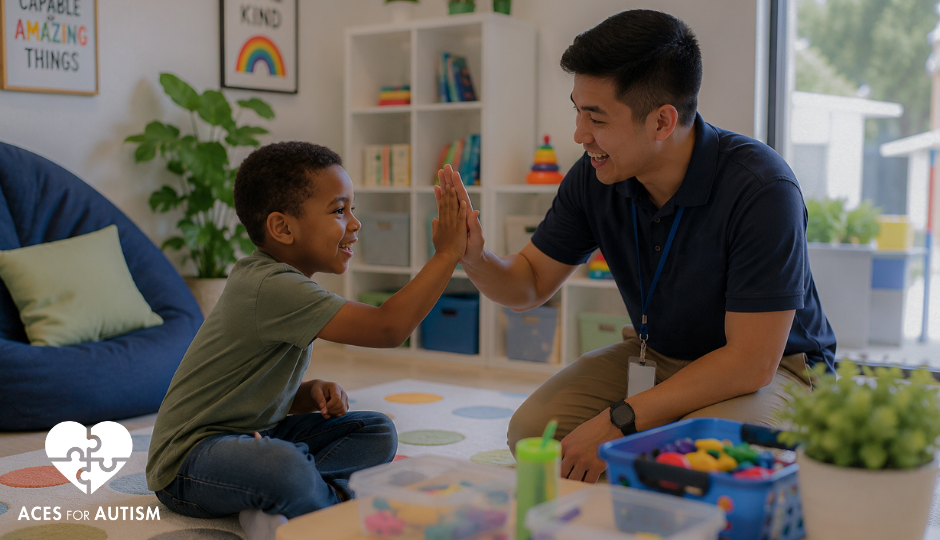
Positive reinforcement to celebrate progress and encourage continued learning
Throughout each session, therapists collect data on a child's progress to monitor skill development and determine when goals have been achieved or need to be adjusted. This ongoing data collection helps ensure therapy remains personalized and effective.
At the end of each session, families receive updates on what their child worked on, the progress that was made, and strategies they can use at home to continue building skills. We believe parents are an essential part of every child's success, and regular communication helps create consistency across home, school, and therapy.
A Sample ABA Therapy Session
While every child has a unique treatment plan, a typical session may look something like this:
Greeting and transition: Building rapport and preparing for the session
Play-based learning: Practicing communication, social, or play skills through engaging activities
Targeted skill instruction: Working on individualized goals using evidence-based ABA techniques
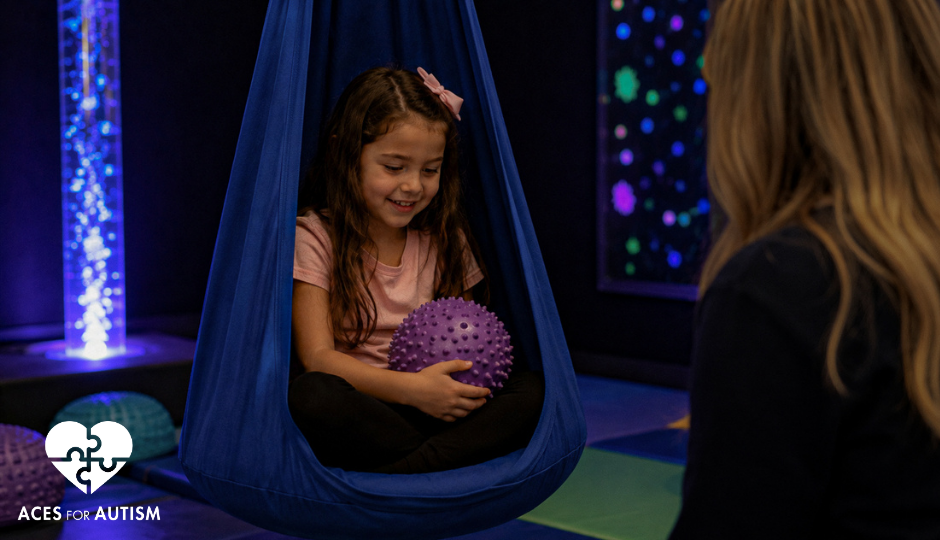
Movement or sensory break: Taking a break to stay regulated and ready to learn
Natural Environment Teaching: Practicing new skills during play, snack time, or other everyday routines
Review and parent update: Celebrating successes, discussing progress, and sharing strategies for home
Common ABA Techniques
ABA therapy uses a variety of evidence-based techniques to help children learn new skills in ways that are engaging, meaningful, and individualized. While every child's treatment plan is different, these are some of the most common ABA methods you may hear about.
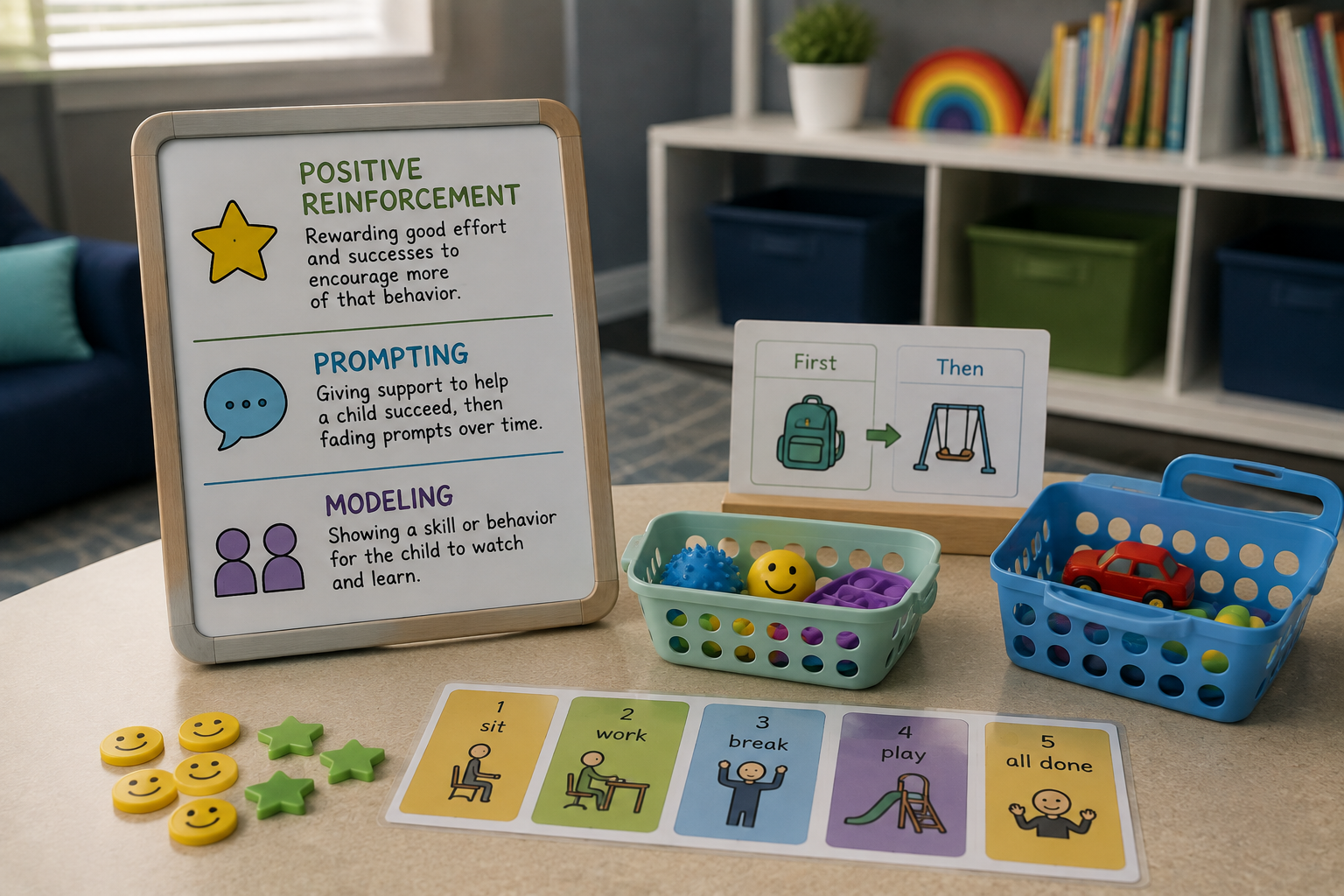
Positive Reinforcement
One of the foundations of ABA therapy. When a child practices a new skill or reaches a goal, they're rewarded with something that's meaningful to them, such as praise, a favorite toy, a game, or another preferred activity. This encouragement helps increase the likelihood that the skill will be used again in the future.
Prompting
Sometimes children need a little extra support while learning a new skill. Prompting involves providing verbal, visual, or physical guidance to help a child complete a task successfully. As the child becomes more confident, those prompts are gradually reduced until they can complete the skill independently.
Modeling
Children often learn by watching others. During modeling, an ABA therapist demonstrates a skill or behavior first, giving the child an example to observe before practicing it themselves. This technique can be especially helpful when teaching communication, social interactions, or daily living skills.
Task Analysis
Some skills can feel overwhelming when they're presented all at once. Task analysis breaks larger tasks into smaller, manageable steps that are easier to learn. For example, brushing teeth might be taught one step at a time until the child can complete the entire routine independently.
Natural Environment Teaching (NET)
Children learn best when they can practice skills in real-life situations. Natural Environment Teaching, often called NET, incorporates learning into everyday activities like playing with toys, eating a snack, reading a book, or spending time outside. This helps children apply new skills naturally in their daily lives.
Discrete Trial Training (DTT)
A structured teaching approach that focuses on one skill at a time. A therapist presents a clear instruction, gives the child an opportunity to respond, and provides immediate feedback and encouragement. Repeating this process helps children build new skills while gaining confidence through consistent practice.
At Aces for Autism, these ABA techniques are never used in isolation. Our therapists combine different teaching strategies based on each child's individual strengths, interests, and goals. Every ABA intervention is designed to make learning meaningful, enjoyable, and applicable to everyday life.
How Families Are Part of the Process
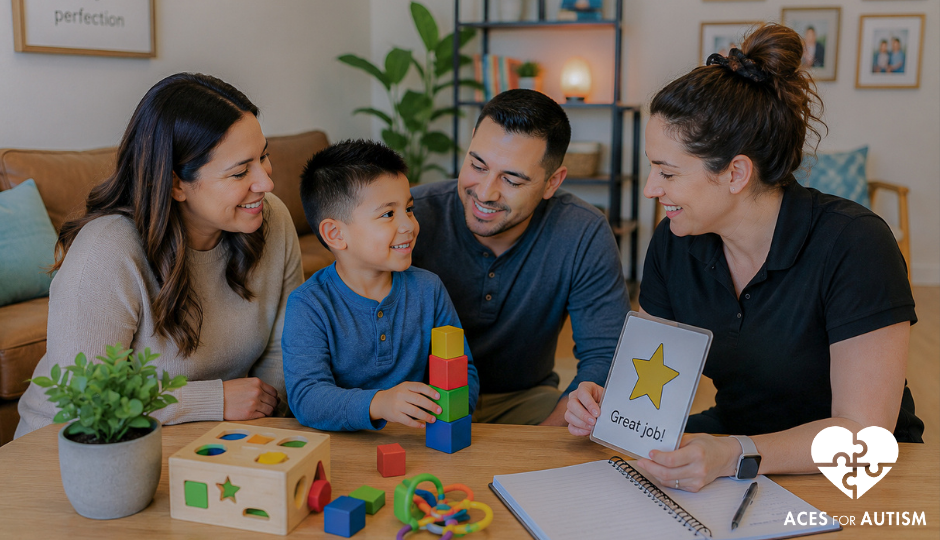
At Aces for Autism, we believe the best outcomes happen when families and therapists work together. While ABA therapy sessions are an important part of a child's progress, the learning doesn't stop when the session ends. That's why parents and caregivers are active members of the care team from the very beginning.
Parent Training and Support
Parents know their child better than anyone. Throughout the therapy process, our team provides guidance, education, and practical strategies that families can use at home to reinforce the skills their child is learning during ABA therapy. Our goal is to help parents feel confident, supported, and empowered every step of the way.
Celebrating Progress Together
Every milestone deserves to be celebrated. Whether it's saying a first word, making eye contact, learning to ask for help, or mastering a daily routine, we believe every achievement is meaningful. We love celebrating those moments alongside our families because we know how much they represent.
Creating Consistency at Home
Children often learn best when the same strategies are used across different environments. By working closely with parents and caregivers, we help create consistency between therapy sessions, home, school, and other everyday settings. This consistency can help children feel more confident as they practice new skills in their daily lives.
Open Communication
Strong relationships are built on communication. Our therapists and BCBAs regularly share updates, discuss progress, answer questions, and work with families to address new challenges or celebrate successes. We want parents to feel informed and involved throughout their child's journey.
Setting Goals Together
Every child has different strengths, interests, and priorities, which is why therapy goals should reflect what matters most to the child and their family. We partner with parents to develop meaningful, individualized goals that support long-term growth, independence, and success both inside and outside of therapy.
At Aces for Autism, our mission has always been about more than providing ABA therapy. Founded by parents who experienced the autism journey with their own son, we understand the importance of feeling heard, supported, and encouraged. We're here not only to help children thrive, but to walk alongside families every step of the way.
When Might ABA Therapy Be Recommended?
Every child develops at their own pace, and no two autism journeys look exactly the same. ABA therapy isn't about changing who a child is. It's about helping children develop meaningful skills that allow them to communicate, build relationships, and become more independent in their daily lives.
A healthcare provider may recommend ABA therapy if a child is experiencing challenges such as:
Communication delays: Children who have difficulty expressing their wants, needs, emotions, or ideas may benefit from individualized communication goals designed to build confidence and reduce frustration.
Social challenges: Some children may need additional support learning skills like taking turns, sharing, initiating conversations, understanding social cues, or building friendships.
Behavior concerns: Behavior is a form of communication. ABA therapy helps identify the reason behind behaviors and teaches positive, functional alternatives that better meet a child's needs.
Difficulty with transitions: Changes in routines, environments, or activities can be challenging for some children. ABA therapy can help children develop flexibility and coping strategies to navigate transitions with greater confidence.
Adaptive and daily living skills: Learning everyday skills like dressing, brushing teeth, using the bathroom, following routines, eating independently, or completing simple household tasks can help children gain confidence and independence both at home and in the community.
If you're wondering whether ABA therapy is right for your child, the best place to start is with a comprehensive evaluation. Every child is unique, and recommendations should always be based on their individual strengths, needs, and goals.
What Makes Aces for Autism Different?
Choosing an ABA provider is one of the most important decisions you'll make for your child. At Aces for Autism, we know families are looking for more than therapy sessions. They're looking for a team they can trust, a place where their child feels welcomed, and people who genuinely care about their family's journey.
Individualized Care
No two children are alike, so no two treatment plans should be either. Every therapy program is personalized to fit your child's strengths, interests, learning style, and goals. As your child grows and progresses, their treatment plan grows with them.
A Family-Centered Approach
Parents are an essential part of the therapy process. We believe children make the greatest progress when families feel informed, supported, and empowered. From regular communication to parent training and collaborative goal setting, we're here to partner with you every step of the way.
Experienced Clinical Team
Our team includes Board Certified Behavior Analysts (BCBAs), Registered Behavior Technicians (RBTs), and dedicated professionals who are passionate about helping children succeed. Through ongoing training, collaboration, and evidence-based practices, we continually strive to provide the highest quality care for every family we serve.
A Fun, Engaging Environment
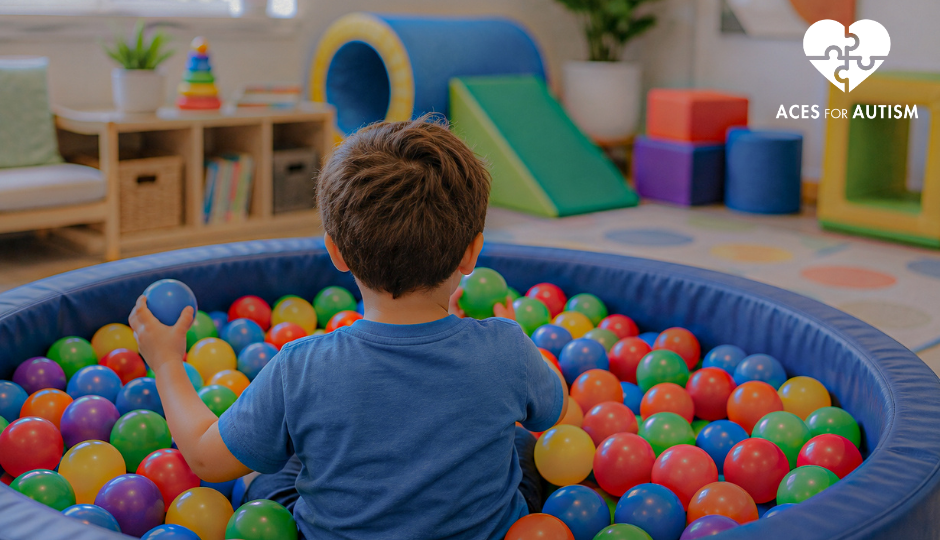
Children learn best when they're engaged, motivated, and having fun. That's why our therapy sessions combine structured learning with play-based activities, positive relationships, and celebrations of every milestone, big or small.
More Than Therapy
Aces for Autism was founded by parents who understand the autism journey firsthand. That perspective continues to shape everything we do. We're committed to supporting the whole family by creating opportunities for connection, celebrating progress together, and helping children build skills that carry over into everyday life at home, at school, and in the community.
Choosing the Right ABA Provider
Finding the right ABA provider isn't just about choosing a clinic. It's about finding a team that understands your child and makes your family feel supported.
As you explore your options, consider asking questions like:
Is every treatment plan individualized for each child?
Will a Board Certified Behavior Analyst (BCBA) oversee my child's therapy?
How often will I receive updates about my child's progress?
How is progress measured and shared with families?
What training and ongoing education do therapists receive?
How are parents involved in the therapy process?
Does the provider offer a welcoming, engaging environment where my child can feel comfortable and successful?
Will my child's goals focus on meaningful skills that improve everyday life?
The right ABA provider should make you feel confident, informed, and supported. Don't be afraid to ask questions, meet the clinical team, and choose a provider that aligns with your family's values and your child's unique needs.
Frequently Asked Questions
At what age should a child start ABA therapy?
Children can benefit from ABA therapy at many different ages, but research shows that early intervention often leads to the best outcomes. That said, it's never too late to begin building new skills. Every child develops at their own pace, and therapy recommendations should be based on their individual needs.
Is ABA therapy covered by insurance?
Many insurance plans cover ABA therapy, but coverage varies depending on your provider and policy. Our team can help answer questions about insurance benefits and guide you through the process of getting started.
What happens during an ABA evaluation?
An ABA evaluation is the first step in developing an individualized treatment plan. A Board Certified Behavior Analyst (BCBA) will meet with your family, learn about your child's strengths and challenges, observe skills, and discuss goals that are meaningful to your family. This information is used to create a personalized therapy plan. Aces for Autism also offers expedited autism diagnostic evaluations for families who need answers quickly.
Does ABA therapy teach social skills?
Yes. ABA therapy often includes opportunities to build important social skills like sharing, taking turns, starting conversations, understanding social cues, and developing friendships. At Aces for Autism, we focus on helping children practice these skills in meaningful, everyday situations that build confidence both inside and outside of therapy.
Can parents be involved in therapy?
Absolutely. Parents and caregivers are an essential part of the therapy process. We provide regular updates, parent training, and practical strategies that help families reinforce new skills at home and celebrate progress together.
How do I know if my child needs ABA therapy?
If your child has been diagnosed with autism or is experiencing challenges with communication, social interaction, daily living skills, or behavior, an ABA evaluation can help determine whether therapy may be beneficial. Our team is happy to answer your questions and help you understand the next steps.
Every child's journey is unique, and finding the right support can make all the difference. If you're exploring ABA therapy or have questions about your child's development, the team at Aces for Autism is here to help families throughout Greenville, Winterville, Wilson, and the surrounding Eastern North Carolina communities.
Contact us today to learn more about our ABA services, schedule an evaluation, or speak with a member of our team. We'd love to be part of your family's journey.