
Sunny Days and Sensory Play: Summer Fun Ideas for Kids with Autism!
Summer is here, and that means sunshine, splashing, outdoor adventures, and plenty of opportunities for fun and learning. For many families of children with autism, summer can bring excitement, but it can also bring challenges when routines change and schedules become less predictable.
The good news? Summer activities can be both enjoyable and skill-building. With a little creativity, everyday moments can turn into opportunities for sensory exploration, communication, independence, and connection.
At Aces for Autism, we love helping families make the most of the season with activities that are engaging, meaningful, and tailored to each child’s comfort level and interests.
Keeping Calm During the Summer Months
Stick to Predictable Routines
Try keeping wake-up times, meals, and bedtime routines as consistent as possible. Even simple visual schedules can help your child know what to expect throughout the day.
Example:
Create a simple summer schedule with pictures:
Breakfast
Outdoor play
Snack
Quiet time
Water activity
Dinner
Visual schedules can help reduce anxiety and make transitions smoother.
Use “First-Then” Language
“First sunscreen, then sprinkler.”
“First clean up, then popsicle.”
First-then statements can help with transitions and reduce frustration while still keeping activities fun and positive.
Example:
If your child struggles leaving the pool:
“First dry off, then we get a cold lemonade.”
Prepare for New Experiences
Before trying a new activity, talk through what will happen. Photos, visual supports, short videos, or practicing beforehand can help children with autism feel more comfortable and confident.
Example:
Before visiting a splash pad, show pictures of:
Water spraying | Even better than pictures, let them try it out first! Explore different levels of water spraying at home with sprinklers, splash toys, or even the hose on their hands and feet. This can help them become more comfortable with the sensation before visiting the splash pad.
Crowds | Show pictures or videos of what the splash pad may look like when other children and families are there. Talking about noise levels, waiting turns, and where people may gather can help prepare your child for a busier environment.
Seating areas | Point out where chairs, tables, shaded areas, or quiet spots are located. Knowing there is a place to rest and take breaks can help children feel more secure and comfortable during the outing.
Bathrooms | Show where the bathrooms are and talk through what to expect, such as hand dryers, flushing sounds, or changing areas. Familiarity ahead of time can reduce anxiety and make transitions easier.
Snack breaks | Prepare your child for when and where snack or water breaks may happen. Bringing familiar snacks and explaining that breaks are part of the visit can help create predictability and support regulation throughout the day.
This can help children know what to expect before arriving.
Keep Therapy and Skill Building Going
Summer is a great time to continue working on communication, social skills, independence, and emotional regulation in natural, everyday environments.
Partnering with programs like ours here at Aces for Autism can help children continue ABA therapy and maintain progress throughout the summer months while still enjoying all the fun the season has to offer.
Example:
A trip to the park can become a chance to practice:
Waiting
Asking for turns
Following directions
Trying new activities
Tolerating transitions
Summer Fun by Age Group
Every child is unique, but these ideas can help inspire sensory-friendly summer fun for different ages and developmental stages.
Toddlers and Preschoolers
Little learners love hands-on play, water exploration, and sensory experiences.
Water Table Wash Station
Fill a water table or storage bin with:
Cups and scoops
Toy animals or cars
Sponges
Bubble foam
Practice pouring, requesting items, turn-taking, and following directions while staying cool outdoors.
Example:
Ask your child to “wash the red car” or “find the biggest animal” while they play.
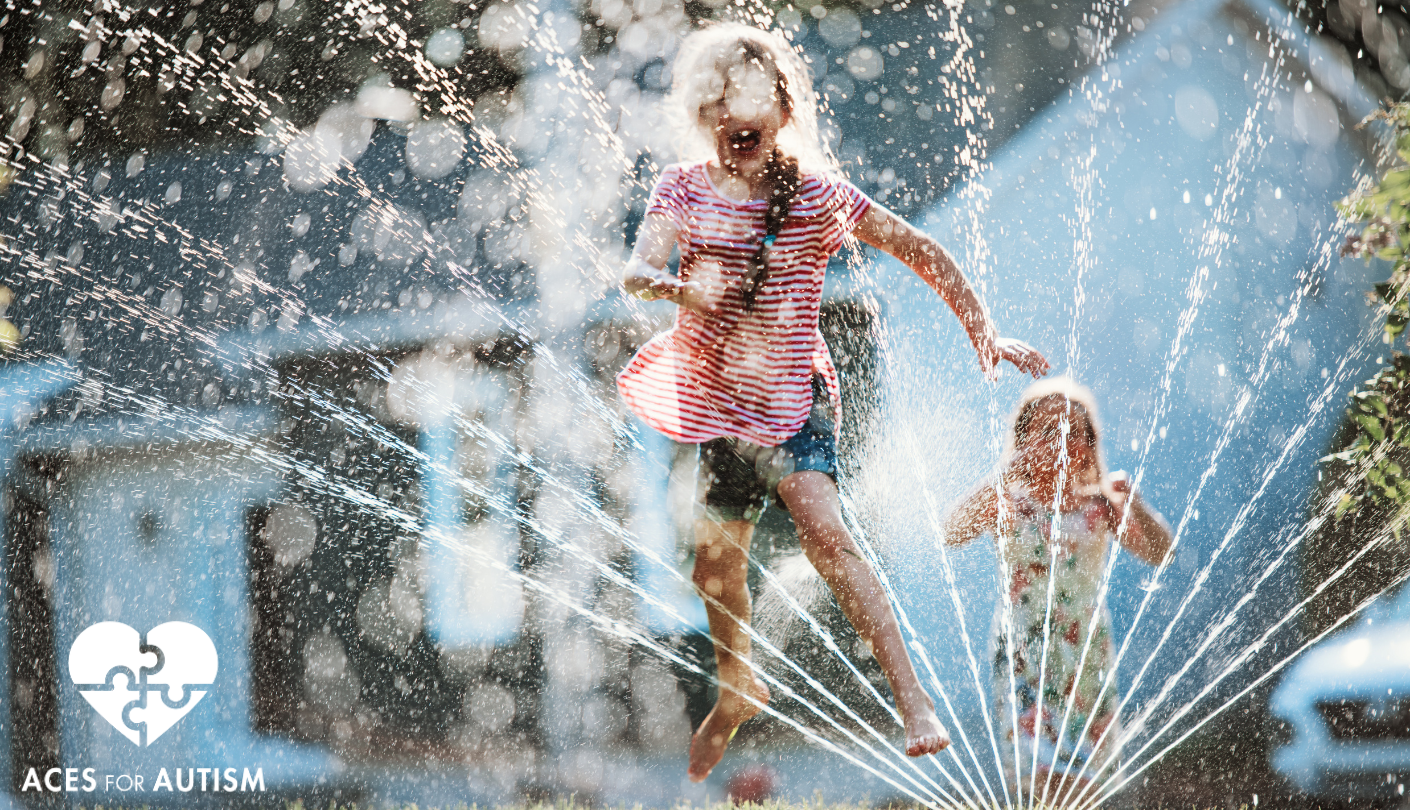
Sprinkler Shower Play
Turn hygiene skills into summer fun.
Set up a sprinkler and add:
Washcloths
Baby-safe soap
Bubble foam
Dolls or toy animals to “wash”
This playful activity can help children become more comfortable with washing routines, water on their skin, and practicing self-care skills in a low-pressure way.
Example:
Practice washing:
Hands
Arms
Hair
Feet
while running through sprinklers and bubbles outside. Master the skill, keep the fun!
Frozen Toy Rescue
Freeze small toys in containers of water overnight. The next day, let kids:
Spray warm water
Use squeeze bottles
Scoop ice
Practice requesting help
Great for sensory input and fine motor skills.
Example:
Hide ocean animals inside the ice and turn it into a mini beach rescue mission.
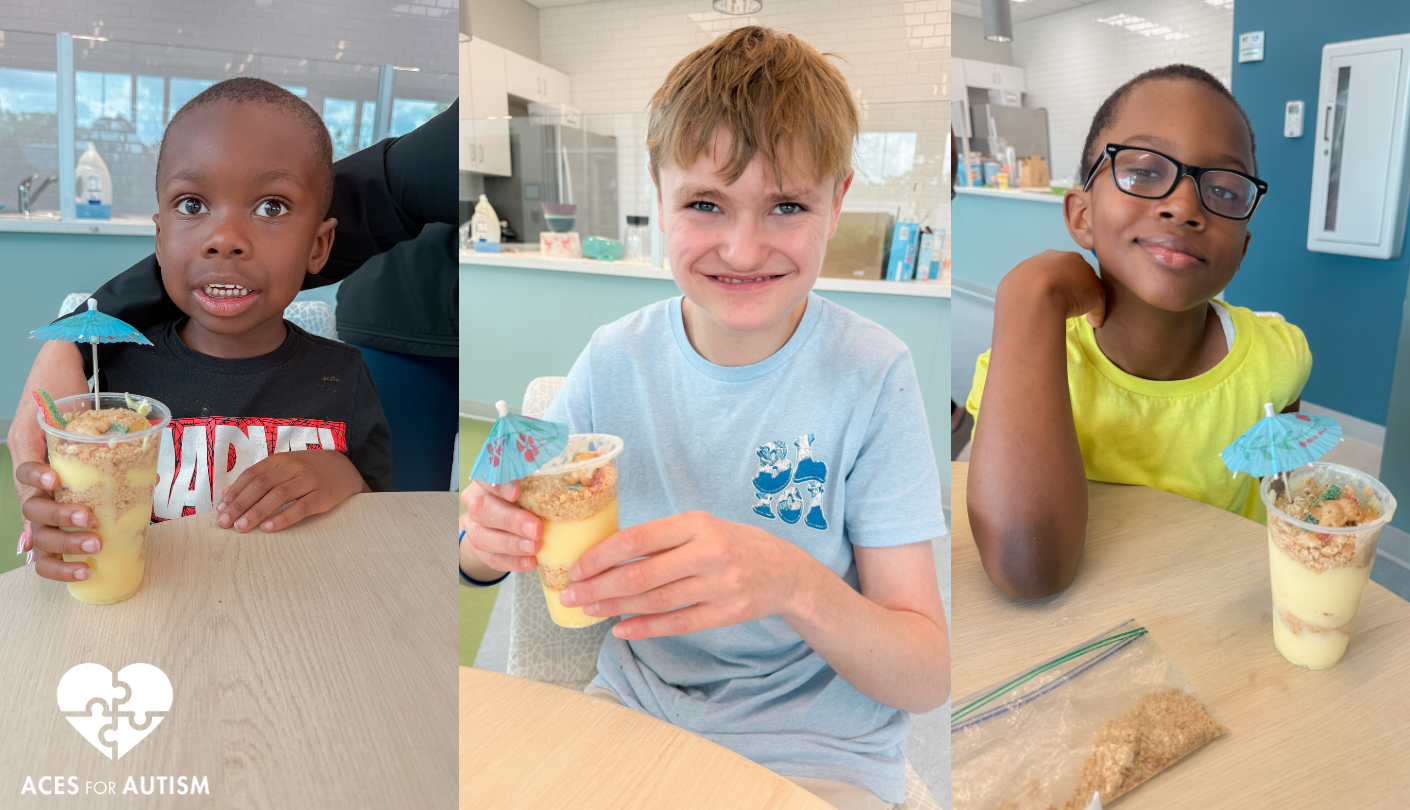
Teddy Bear Beach Snack Cups
If your family loved fun sensory snacks like our beach-themed pudding cups at Aces for Autism, try a new twist with yogurt snack cups.
What You Need:
Vanilla yogurt
Crushed graham crackers
Sliced strawberries
Blueberries
Teddy Grahams
Children can layer ingredients themselves while exploring textures, colors, and new flavors in a fun and low-pressure way.
Example:
Encourage your child to:
Scoop
Pour
Sprinkle
Taste one new ingredient
while building their own “beach snack.”
Elementary Age Kids
School-age children often enjoy activities with creativity, movement, and skill-building built in.
Backyard Obstacle Course
Use pool noodles, chalk lines, cones, buckets, or hula hoops to create challenges like:
Jump over waves
Crawl under “bridges”
Toss water balloons
Balance while carrying a sponge
Obstacle courses help with:
Motor planning
Following directions
Body awareness
Turn-taking
Example:
Create a “summer safari” obstacle course where children pretend to cross rivers, hop on lily pads, and rescue stuffed animals.
Sidewalk Chalk Sensory Art
Add water to chalk for “chalk paint,” or freeze chalk in ice cube trays for extra sensory fun.
Try:
Tracing shadows
Practicing letters
Drawing emotions
Creating roads or obstacle paths
Example:
Draw different emotions with chalk and practice identifying “happy,” “excited,” “frustrated,” or “calm.”
DIY Lemonade Stand
This combines social interaction, life skills, and pretend play.
Kids can practice:
Counting
Greeting others
Taking turns
Following steps
Trying new flavors
Bonus idea: Add strawberry slices, cucumbers, or mint for sensory exploration.
Example:
Practice ordering drinks with siblings or family members before opening the stand.
Ocean Sensory Bin
Fill a container with:
Kinetic sand
Blue water beads
Shells
Plastic sea animals
Scoops and tongs
Hide objects for scavenger hunts or work on sorting by color, size, or type.
Example:
Ask children to sort sea animals into groups or search for hidden “treasures” in the sand.
Teens and Older Children
Older kids often enjoy activities that build independence while still being fun and engaging.
Smoothie Creation Station
Encourage independence and sensory exploration through cooking.
Try combinations like:
Strawberry banana
Tropical mango pineapple
Blueberry coconut
Teens can:
Follow recipes
Practice sequencing
Use kitchen tools
Explore textures and flavors
Example:
Create a “smoothie menu” and let your teen choose ingredients and make drinks for the family.
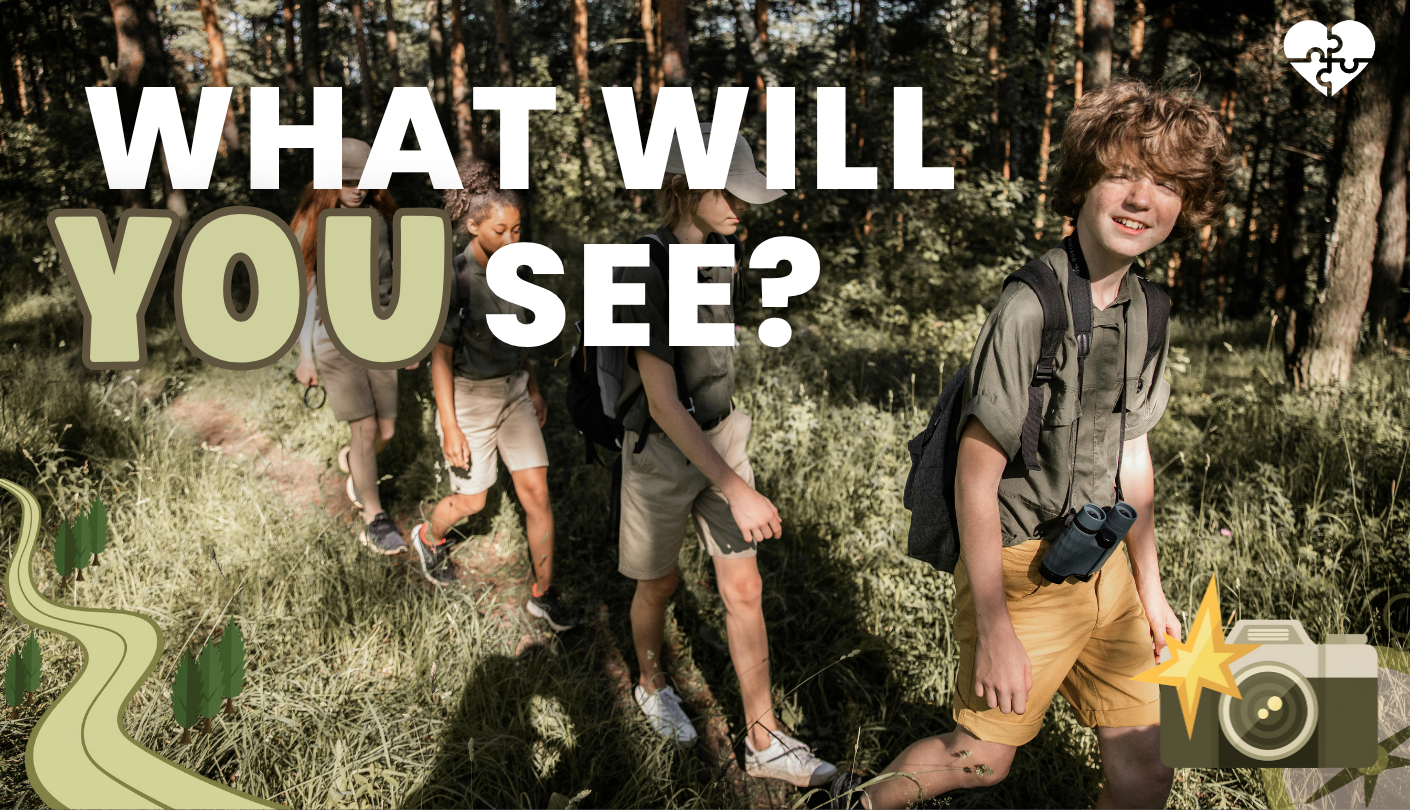
Outdoor Photography Walks
Take a walk around the neighborhood or park and create themed photo challenges:
Find something yellow
Take a picture of water
Capture textures in nature
This can encourage mindfulness, communication, creativity, and conversation.
Example:
Turn it into a scavenger hunt and create a summer photo collage afterward.
Tie-Dye Day
Tie-dye shirts, towels, or tote bags using bright summer colors.
This activity supports:
Fine motor skills
Following steps
Creativity
Tolerance for sensory experiences
Bonus tip: Use gloves or brushes for children who dislike getting dye on their hands.
Example:
Let each child choose their own colors and patterns to encourage independence and self-expression.
Gardening Together
Plant herbs, flowers, or vegetables in pots or small garden beds.
Gardening encourages:
Responsibility
Patience
Sensory exploration
Outdoor engagement
Children can water plants, scoop soil, sort seeds, and learn about growth and routines.
Example:
Grow mint or strawberries and use them later in homemade summer drinks or snacks.
Summer Sensory Activities for Any Age
Some activities are fun for the whole family and can easily be adapted based on your child’s preferences.
Bubble Foam Play
Mix:
Tear-free soap
Water
Food coloring
Use a hand mixer to create fluffy sensory foam.
Example:
Hide small toys inside the foam for children to search and discover.
Water Balloon Painting
Dip water balloons in washable paint and stamp onto paper or sidewalks.
Example:
Create colorful summer murals using different balloon sizes and colors.
Popsicle Taste Tests
Try different flavors, temperatures, or textures and let kids vote on favorites.
Example:
Compare fruity popsicles versus creamy ones and graph everyone’s favorites together.
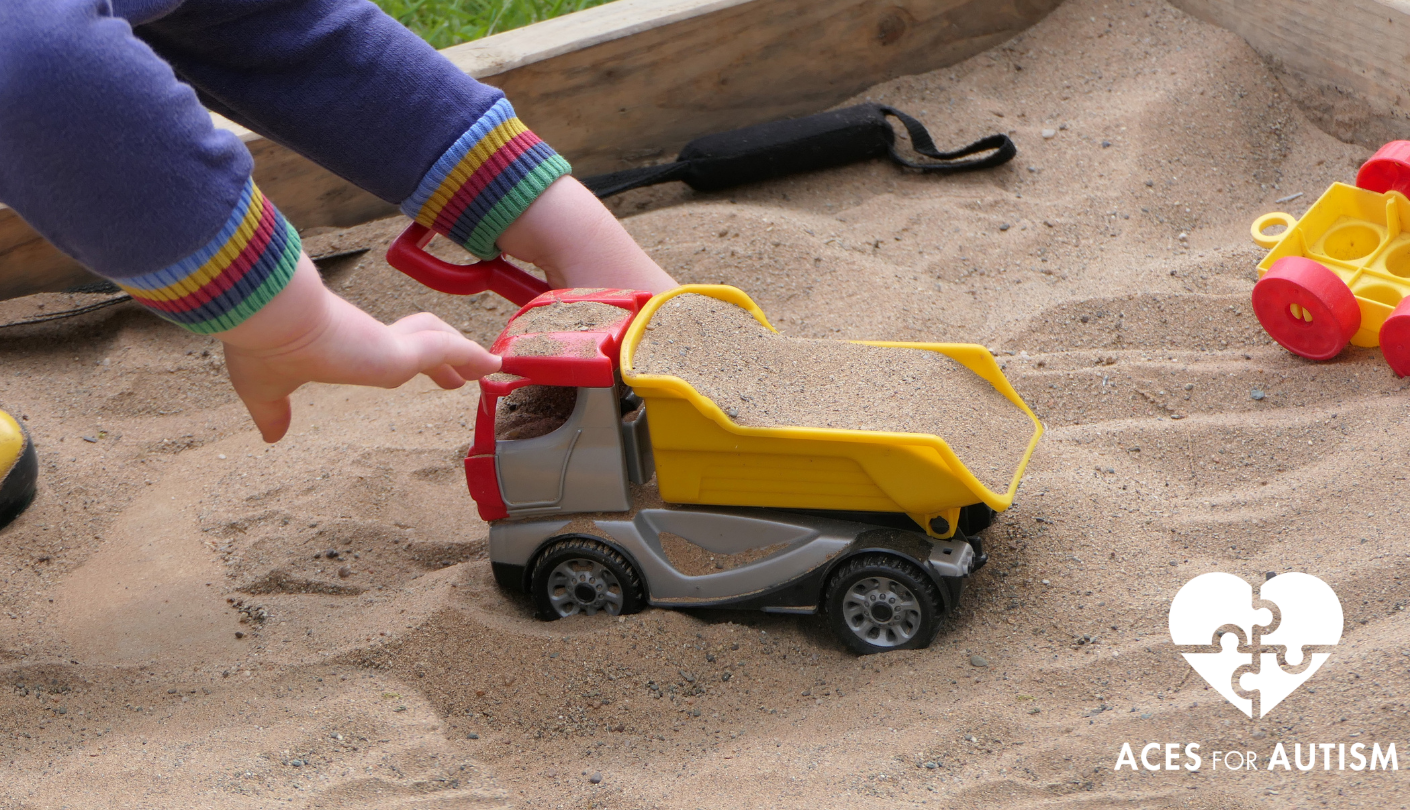
Sand and Construction Play
Combine sand, toy trucks, scoops, and water for endless sensory fun.
Example:
Build roads, tunnels, or sandcastles together while practicing requesting tools and taking turns.
Nature Treasure Hunts
Search for:
Leaves
Smooth rocks
Flowers
Sticks
Bugs
Add visuals or checklists for extra support.
Example:
Create a summer nature jar filled with collected treasures from outdoor adventures.
Making Summer Meaningful
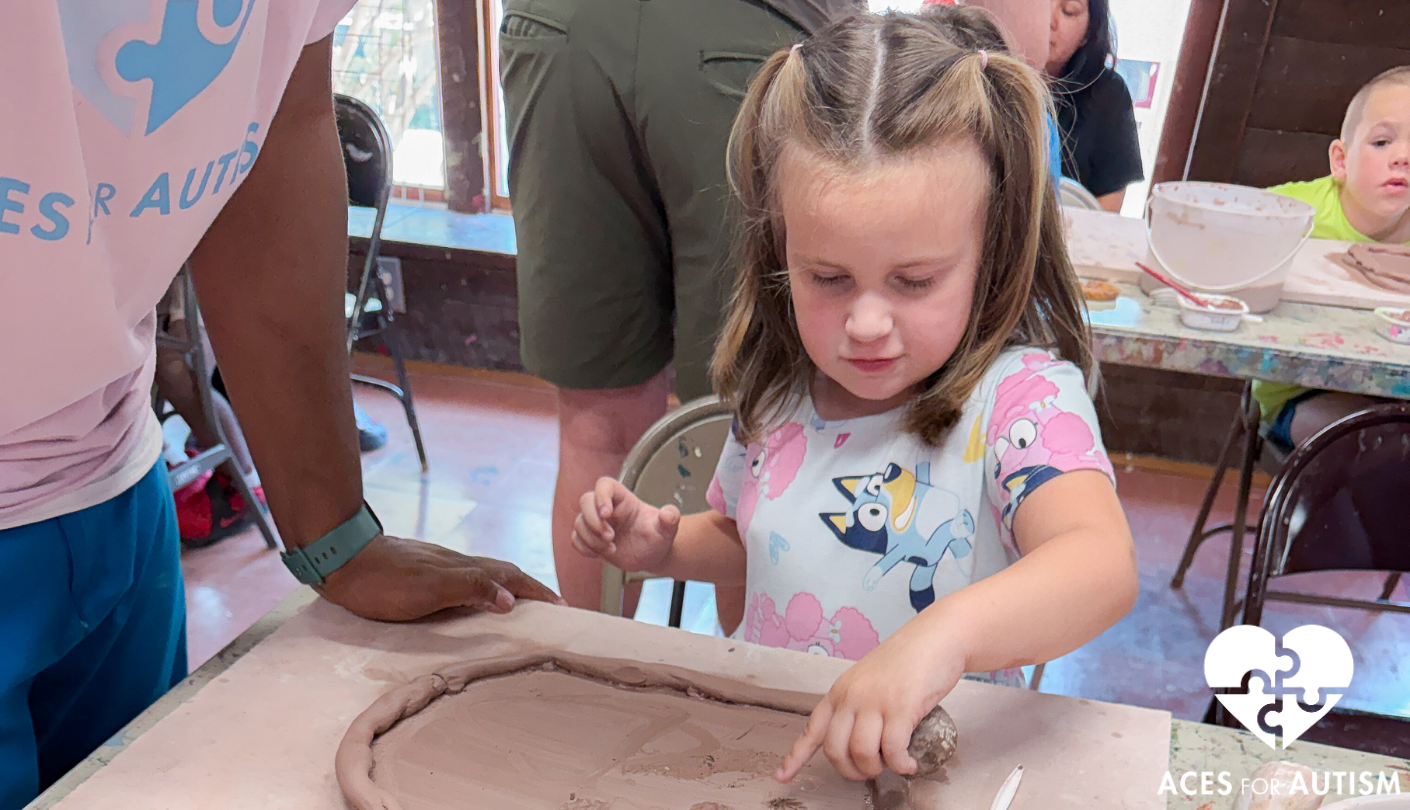
Summer does not have to be packed with complicated plans to be memorable. Sometimes the best moments happen through simple routines, sensory play, backyard adventures, and quality time together.
The goal is not perfection. It is connection, confidence, and creating opportunities for children to explore the world in ways that feel safe, engaging, and joyful.
At Aces for Autism, we are honored to support families year-round through individualized services, compassionate care, and programs designed to help children thrive in every season.
We would love to see your family’s sensory-friendly summer fun. Tag us in your summer adventures and share how your family is making memories this season at @acesforautismnc.